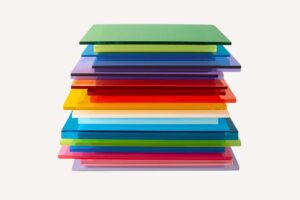
Acrylic and polycarbonate sheets are often associated with signage, displays and commercial glazing, but their versatility extends far beyond these traditional applications. Thanks to their strength, clarity and lightweight properties, both materials have become popular alternatives to glass for a wide range of window-related projects.
From air conditioner window panels and secondary glazing to protective barriers and replacement glazing, acrylic and polycarbonate sheets can improve functionality, safety and energy efficiency across a wide range of applications. Available cut to size, they offer a practical and cost-effective alternative to traditional glass.
Acrylic and polycarbonate sheets are often associated with signage, displays and commercial glazing, but their versatility extends far beyond these traditional applications. Thanks to their strength, clarity and lightweight properties, both materials have become popular alternatives to glass for a wide range of window-related projects.
From air conditioner window panels and secondary glazing to protective barriers and replacement glazing, acrylic and polycarbonate sheets can improve functionality, safety and energy efficiency across a wide range of applications. Available cut to size, they offer a practical and cost-effective alternative to traditional glass.
In this guide, we’ll explore seven practical ways you can use acrylic and polycarbonate sheets in windows, along with the benefits of each material and how to choose the right option for your application.
1. Air Conditioner Window Seals for Portable AC Units
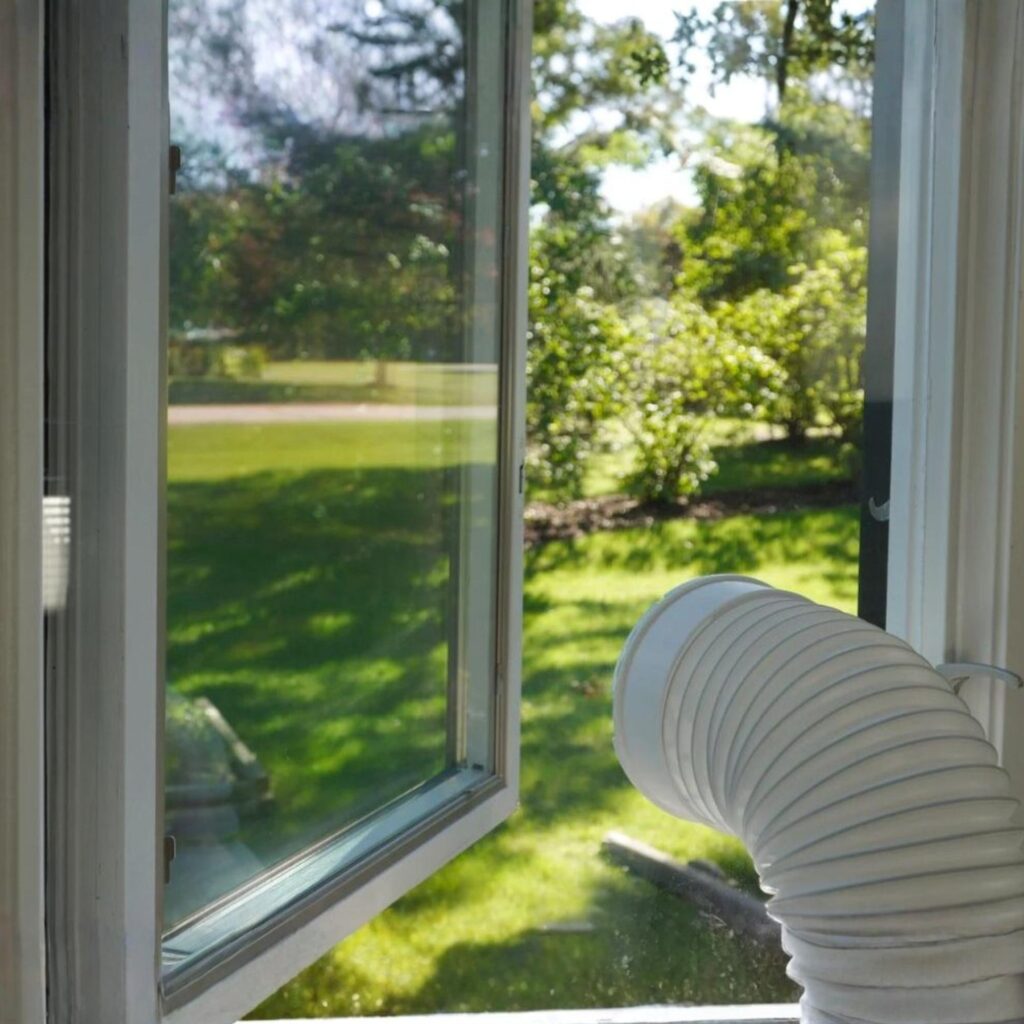
Portable air conditioners have become increasingly popular in homes, offices and commercial environments, but many users quickly discover a common problem: the supplied fabric window kits often leave gaps that allow warm air back into the room.
A custom acrylic or polycarbonate air conditioner window panel provides a more effective solution.
Made to fit your window opening precisely, an acrylic or polycarbonate air conditioner window seal creates a secure barrier while accommodating the exhaust hose from your portable air conditioning unit. By reducing air leakage, the space can cool more efficiently, helping your air conditioner perform at its best.
Benefits include:
- Improved cooling performance
- Reduced warm air infiltration
- Cleaner and more professional appearance
- Custom sizing for various window types
- Easy installation and removal
If you’re looking to maximise the effectiveness of a portable air conditioner, a bespoke acrylic or polycarbonate window panel can be a simple yet effective upgrade.
Both acrylic and polycarbonate can be used for custom AC window panels. Acrylic is often chosen for its exceptional clarity and glass-like appearance, while polycarbonate may be preferred where additional impact resistance is required.
1. Air Conditioner Window Seals for Portable AC Units
Portable air conditioners have become increasingly popular in homes, offices and commercial environments, but many users quickly discover a common problem: the supplied fabric window kits often leave gaps that allow warm air back into the room.
A custom acrylic or polycarbonate air conditioner window panel provides a more effective solution.
Made to fit your window opening precisely, an acrylic or polycarbonate air conditioner window seal creates a secure barrier while accommodating the exhaust hose from your portable air conditioning unit. By reducing air leakage, the space can cool more efficiently, helping your air conditioner perform at its best.
Benefits include:
- Improved cooling performance
- Reduced warm air infiltration
- Cleaner and more professional appearance
- Custom sizing for various window types
- Easy installation and removal
If you’re looking to maximise the effectiveness of a portable air conditioner, a bespoke acrylic or polycarbonate window panel can be a simple yet effective upgrade.
Both acrylic and polycarbonate can be used for custom AC window panels. Acrylic is often chosen for its exceptional clarity and glass-like appearance, while polycarbonate may be preferred where additional impact resistance is required.
2. DIY Secondary Glazing to Keep Rooms Cooler
Rising energy costs have encouraged many property owners and facilities managers to look for practical ways to improve comfort and energy efficiency throughout the year. Secondary glazing offers a cost-effective alternative to replacing existing windows by fitting a clear acrylic or polycarbonate panel inside the existing window frame. This creates an additional insulating layer that traps air between the original glass and the secondary glazing panel.
During the summer months, secondary glazing can help reduce heat transfer through windows, making it easier to maintain a cooler and more comfortable indoor environment. It can also provide benefits throughout the rest of the year, helping to improve overall thermal performance.
Secondary glazing can help:
- Keep rooms cooler during warm weather
- Improve thermal efficiency year-round
- Reduce reliance on fans and air conditioning
- Minimise external noise levels
- Improve comfort and energy efficiency
Both materials allow natural light to pass through while helping to regulate indoor temperatures. Acrylic is often the preferred choice due to its exceptional clarity, excellent insulating properties and lightweight design, while polycarbonate offers increased durability and impact resistance where additional strength is required.
3. Catio Windows and Pet Enclosures
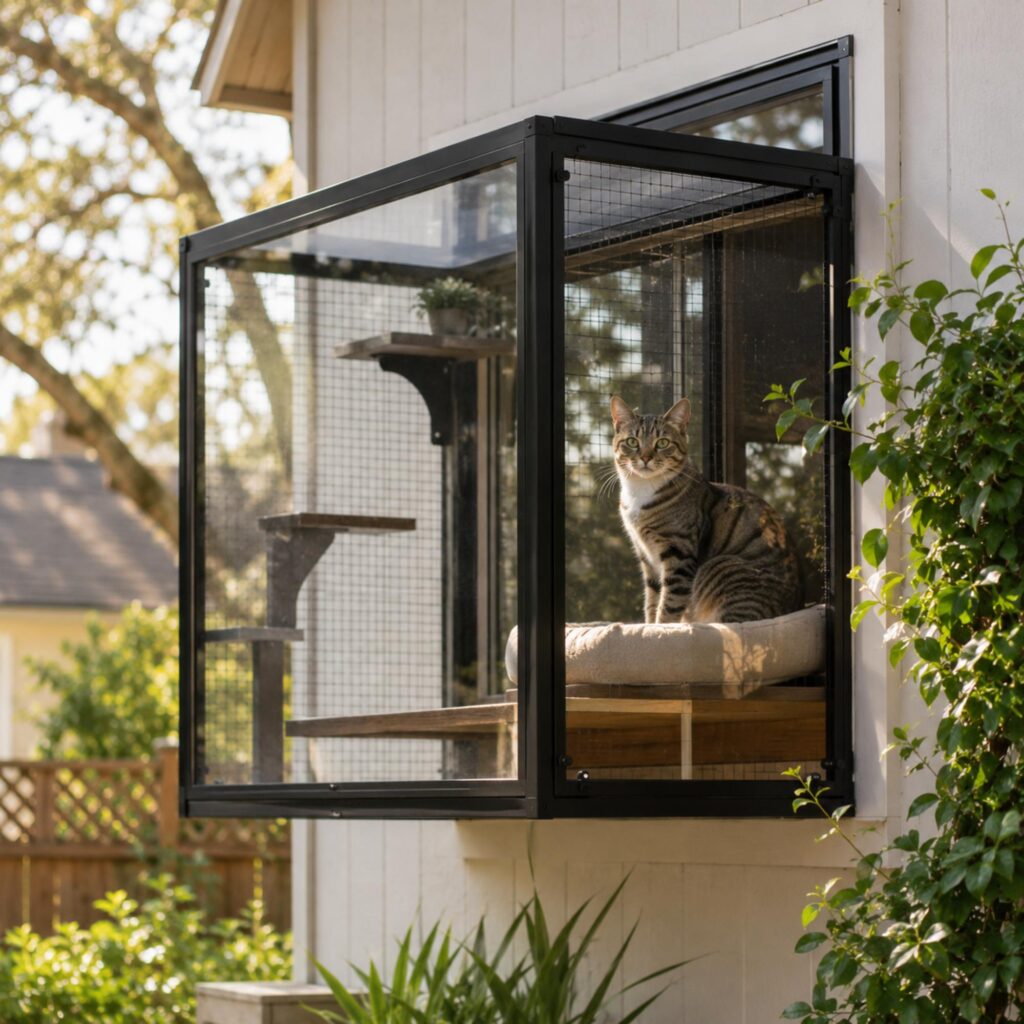
Pet owners increasingly use catios to give cats access to fresh air while maintaining safety and security. Animal shelters, rescue centres and other pet care facilities also choose acrylic and polycarbonate sheets for enclosures where visibility, durability and weather protection are essential.
Clear acrylic and polycarbonate sheets are popular choices for catios and animal enclosures because they offer:
- Excellent visibility
- Weather protection
- Durability
- Lightweight handling
- Resistance to breakage
Whether you’re building a window-mounted catio, upgrading an animal enclosure or adding panels to a larger outdoor structure, acrylic and polycarbonate provide a safe solution without obstructing the view.
Pet owners increasingly use catios to give cats access to fresh air while maintaining safety and security. Animal shelters, rescue centres and other pet care facilities also choose acrylic and polycarbonate sheets for enclosures where visibility, durability and weather protection are essential.
Clear acrylic and polycarbonate sheets are popular choices for catios and animal enclosures because they offer:
- Excellent visibility
- Weather protection
- Durability
- Lightweight handling
- Resistance to breakage
Whether you’re building a window-mounted catio, upgrading an animal enclosure or adding panels to a larger outdoor structure, acrylic and polycarbonate provide a safe solution without obstructing the view.
Both materials are well suited to catios and pet enclosures. Acrylic is often chosen for its exceptional clarity, while polycarbonate offers additional strength and impact resistance for larger or more demanding installations.

4. Protective Window Barriers
In commercial, educational and public environments, acrylic and polycarbonate sheets can be used to create protective barriers while maintaining visibility.
Common applications include:
- Reception windows
- Service counters
- Schools and colleges
- Healthcare facilities
- Workshops and production areas
Both materials offer a lightweight alternative to glass while maintaining excellent visibility, making them a practical solution where safety, protection and clear sightlines are equally important.
4. Protective Window Barriers
In commercial, educational and public environments, acrylic and polycarbonate sheets can be used to create protective barriers while maintaining visibility.
In commercial, educational and public environments, acrylic and polycarbonate sheets can be used to create protective barriers while maintaining visibility.
Common applications include:
- Reception windows
- Service counters
- Schools and colleges
- Healthcare facilities
- Workshops and production areas
Both materials offer a lightweight alternative to glass while maintaining excellent visibility, making them a practical solution where safety, protection and clear sightlines are equally important.
Acrylic is often selected for indoor applications where optical clarity and appearance are key considerations, while polycarbonate is frequently preferred in higher-traffic or more demanding environments due to its exceptional impact resistance.
Acrylic is often selected for indoor applications where optical clarity and appearance are key considerations, while polycarbonate is frequently preferred in higher-traffic or more demanding environments due to its exceptional impact resistance.
5. Shed and Garden Building Windows
Garden buildings, workshops and sheds often require durable glazing solutions that can withstand daily use and exposure to the elements.
Many people choose acrylic and polycarbonate sheets as alternatives to traditional glass because they offer:
- Lightweight
- Easier to handle
- Highly transparent
- Less prone to shattering
- Available in custom sizes
Whether you’re replacing a broken pane, upgrading existing glazing or installing new windows in a garden building, acrylic and polycarbonate provide a practical and cost-effective solution.
Many customers choose acrylic for its outstanding clarity and glass-like appearance, while polycarbonate delivers enhanced toughness and impact resistance for more demanding outdoor environments.
6. Window Inserts for Insect Control and Ventilation
During warmer months, many homeowners and businesses want to improve ventilation without allowing flies, wasps and other insects indoors.
One solution is a custom acrylic or polycarbonate window insert. These panels are cut to fit the opening created by a partially open window and can be customised with ventilation openings or cut-outs. At Cut Plastic Sheeting, we can manufacture a clear acrylic or polycarbonate panel to your required dimensions, complete with a custom cut-out that can be covered with your chosen insect mesh or screening material to allow airflow while helping to keep insects out.
These inserts can help:
- Improve airflow
- Maintain visibility
- Create a neat, custom-fitted appearance
- Provide a base for use alongside insect-control solutions where required
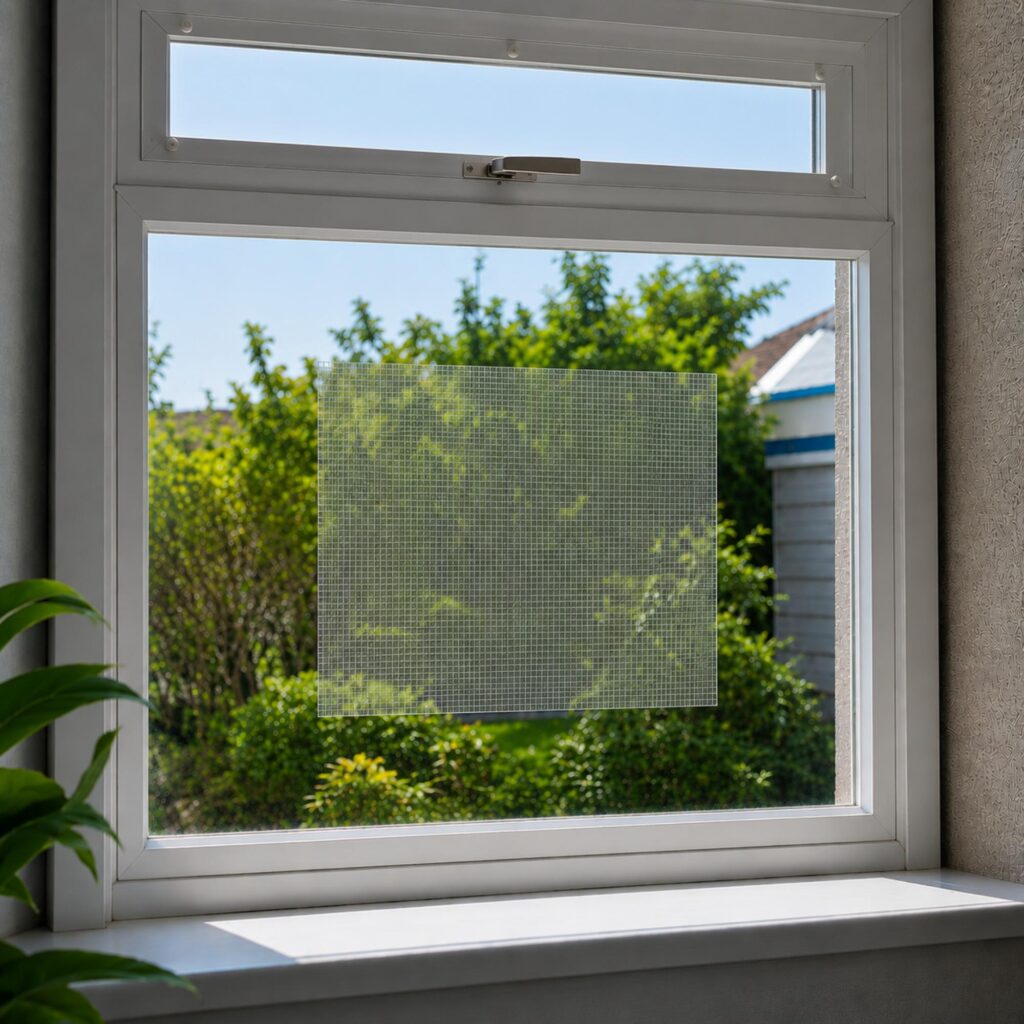
Because acrylic and polycarbonate can be cut to precise dimensions, inserts can be tailored to suit a wide variety of window styles and configurations. Ventilation openings and custom cut-outs can also be incorporated to accommodate insect mesh, screening systems or other ventilation accessories, providing a simple and removable solution for improving airflow during warmer months.
6. Window Inserts for Insect Control and Ventilation
During warmer months, many homeowners and businesses want to improve ventilation without allowing flies, wasps and other insects indoors.
One solution is a custom acrylic or polycarbonate window insert. These panels are cut to fit the opening created by a partially open window and can be customised with ventilation openings or cut-outs. At Cut Plastic Sheeting, we can manufacture a clear acrylic or polycarbonate panel to your required dimensions, complete with a custom cut-out that can be covered with your chosen insect mesh or screening material to allow airflow while helping to keep insects out.
These inserts can help:
- Improve airflow
- Maintain visibility
- Create a neat, custom-fitted appearance
- Provide a base for use alongside insect-control solutions where required
Because acrylic and polycarbonate can be cut to precise dimensions, inserts can be tailored to suit a wide variety of window styles and configurations. Ventilation openings and custom cut-outs can also be incorporated to accommodate insect mesh, screening systems or other ventilation accessories, providing a simple and removable solution for improving airflow during warmer months.
7. Basement and Utility Room Window Protection
Protecting basement windows, utility rooms and lower-level glazing can help reduce damage from debris, weather and accidental impacts.
Many property owners use acrylic and polycarbonate sheets as protective covers or secondary barriers to:
- Shield vulnerable glazing
- Reduce maintenance requirements
- Improve durability
- Protect against everyday wear and tear
By combining strength, clarity and weather resistance, both materials provide an effective solution for a wide range of residential, commercial and industrial applications.
For environments exposed to accidental impacts or heavier use, many customers choose polycarbonate for its exceptional strength and impact resistance. Where optical clarity and appearance are the priority, acrylic offers an attractive and effective alternative.
Why Acrylic and Polycarbonate Are Ideal for Window Projects
Acrylic and polycarbonate offer several advantages over traditional glass. Combining excellent clarity, durability and versatility, both materials provide practical glazing solutions for a wide range of residential, commercial and industrial applications.
Why Acrylic and Polycarbonate Are Ideal for Window Projects
Acrylic and polycarbonate offer several advantages over traditional glass. Combining excellent clarity, durability and versatility, both materials provide practical glazing solutions for a wide range of residential, commercial and industrial applications.
Why Acrylic and Polycarbonate Are Ideal for Window Projects
Acrylic and polycarbonate offer several advantages over traditional glass. Combining excellent clarity, durability and versatility, both materials provide practical glazing solutions for a wide range of residential, commercial and industrial applications.
Acrylic vs Polycarbonate for Window Projects: Which Material Is Best?
When planning a window-related project, choosing the right material is just as important as selecting the right design. Both acrylic and polycarbonate offer excellent alternatives to traditional glass, providing clarity, durability and versatility for a wide range of applications. However, each material has its own strengths depending on the environment and intended use.
The table below highlights how acrylic and polycarbonate compare across some of the most common window projects, helping you determine which option is best suited to your requirements.
Application
Portable AC Window Seals
Acrylic
✅ Excellent. Offers outstanding clarity and a clean, professional finish.
Polycarbonate
✅ Excellent. Provides the same functionality with added impact resistance.
Portable AC Window Seals
✅ Excellent. Offers outstanding clarity and a clean, professional finish.
✅ Excellent. Provides the same functionality with added impact resistance.
Application
Secondary Glazing
Acrylic
✅ Excellent. Often the preferred choice thanks to its glass-like appearance and optical clarity.
Polycarbonate
✅ Good. Suitable alternative, although slightly less optically clear than acrylic.
Secondary Glazing
✅ Excellent. Often the preferred choice thanks to its glass-like appearance and optical clarity.
✅ Good. Suitable alternative, although slightly less optically clear than acrylic.
Application
Catios & Pet Enclosures
Acrylic
✅ Excellent. Clear, lightweight and weather-resistant.
Polycarbonate
✅ Excellent. Ideal where additional durability and impact resistance are required.
Catios & Pet Enclosures
✅ Excellent. Clear, lightweight and weather-resistant.
✅ Excellent. Ideal where additional durability and impact resistance are required.
Application
Shed Windows
Acrylic
✅ Excellent. A popular replacement for traditional glass.
Polycarbonate
✅ Excellent. Particularly useful in high-traffic or busy garden environments.
Shed Windows
✅ Excellent. A popular replacement for traditional glass.
✅ Excellent. Particularly useful in high-traffic or busy garden environments.
Application
Protective Barriers
Acrylic
✅ Good. Provides visibility and protection for many indoor applications.
Polycarbonate
✅ Better. Superior impact resistance makes it ideal for demanding environments.
Protective Barriers
✅ Good. Provides visibility and protection for many indoor applications.
✅ Better. Superior impact resistance makes it ideal for demanding environments.
Application
Basement & Utility Room Windows
Acrylic
✅ Good. Offers a cost-effective and attractive solution.
Polycarbonate
✅ Better. Greater toughness provides enhanced long-term protection.
Basement & Utility Room Windows
✅ Good. Offers a cost-effective and attractive solution.
✅ Better. Greater toughness provides enhanced long-term protection.
Application
Workshop Glazing
Acrylic
⚠️ Good, but more suitable for light-duty applications.
Polycarbonate
✅ Excellent. Highly resistant to impacts, making it ideal for workshops and garages.
Workshop Glazing
⚠️ Good, but more suitable for light-duty applications.
✅ Excellent. Highly resistant to impacts, making it ideal for workshops and garages.
Application
Security Glazing
Acrylic
❌ Limited. Not typically recommended where security is a priority.
Polycarbonate
✅ Excellent. Exceptional strength makes it the preferred choice for security-focused installations.
Security Glazing
❌ Limited. Not typically recommended where security is a priority.
✅ Excellent. Exceptional strength makes it the preferred choice for security-focused installations.
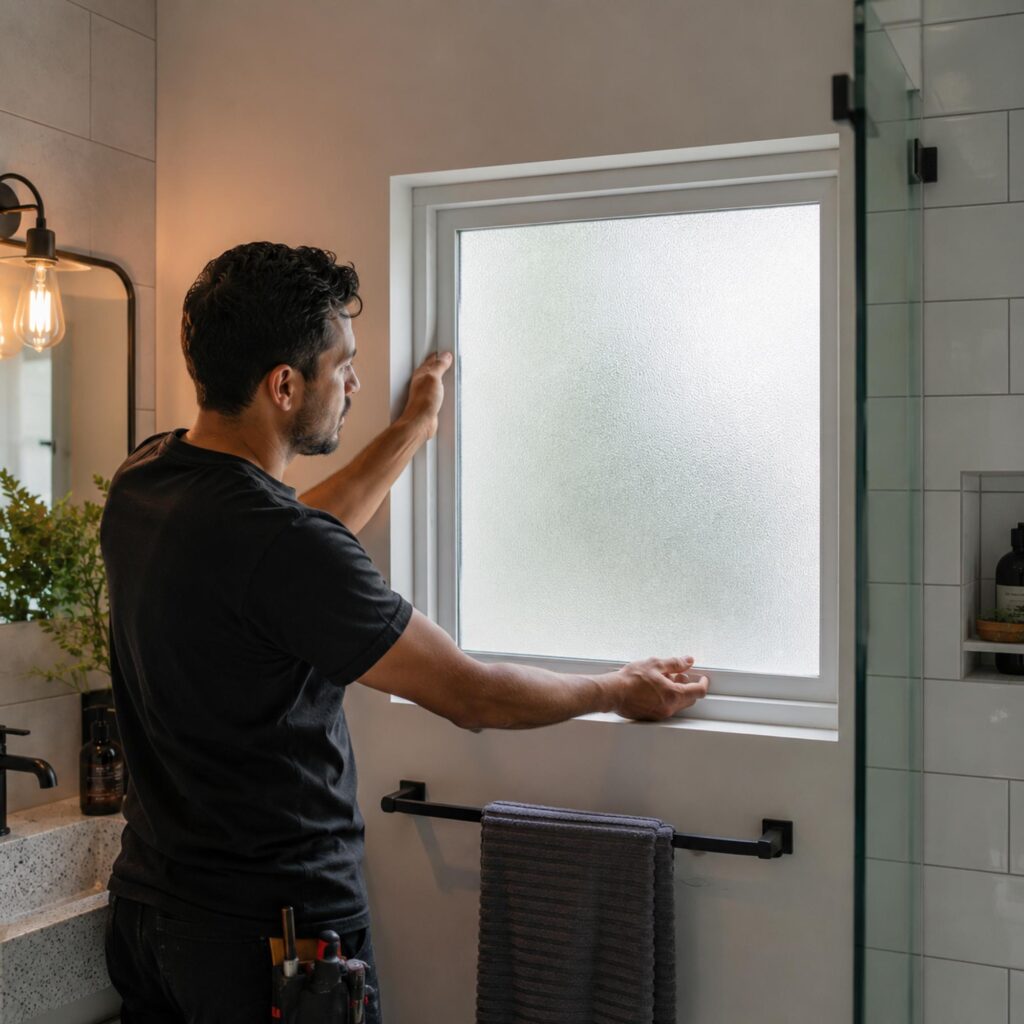
Looking for Additional Privacy?
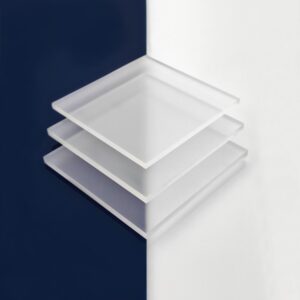
While clear acrylic and polycarbonate are ideal for applications where visibility is important, frosted and white options are a popular choice for projects that require increased privacy without sacrificing natural light. Commonly used for bathroom windows, office partitions, screening panels and privacy glazing, frosted acrylic and white polycarbonate create a clean, modern appearance while helping to obscure visibility.
Whether you’re looking for crystal-clear glazing or a more discreet finish, Cut Plastic Sheeting offers a range of cut-to-size solutions to suit your requirements.

A Solution for Almost Any Window Project
As we’ve explored throughout this guide, acrylic and polycarbonate sheets can be used in far more ways than many people realise. Both materials provide practical alternatives to traditional glass across a wide range of residential, commercial and industrial applications.
With the ability to be cut to size, combined with excellent clarity, durability and ease of installation, acrylic and polycarbonate offer flexible solutions for projects of all shapes and sizes. By understanding the unique benefits of each material, it’s easier to select the right option for your specific requirements and achieve a professional, long-lasting result.
Find the Right Sheet for Your Project
Whether you’re creating a custom AC window panel, upgrading insulation with secondary glazing, building a catio or replacing shed windows, made-to-measure acrylic and polycarbonate sheets provide a practical and attractive solution.
At Cut Plastic Sheeting, we supply high-quality sheets cut to your exact dimensions, helping you achieve a professional finish for projects large and small.
Thickness of Sheets Available:
Polycarbonate: 2mm, 3mm, 4mm, 5mm, 6mm, 8mm, 10mm, 12mm, 15mm
Clear Perspex Acrylic: 2mm, 3mm, 4mm, 5mm, 6mm, 8mm, 10mm, 12mm, 15mm
Explore our range of cut-to-size acrylic and polycarbonate sheets, including custom air conditioner window panels, to find the ideal solution for your next project.

Want to know what other materials we offer? Browse here for our full range of high-quality options and find the perfect sheet for your next outbuilding project.
Find the Right Sheet for Your Project
Whether you’re creating a custom AC window panel, upgrading insulation with secondary glazing, building a catio or replacing shed windows, made-to-measure acrylic and polycarbonate sheets provide a practical and attractive solution.
At Cut Plastic Sheeting, we supply high-quality sheets cut to your exact dimensions, helping you achieve a professional finish for projects large and small.
Thickness of Sheets Available:
Explore our range of cut-to-size acrylic and polycarbonate sheets, including custom air conditioner window panels, to find the ideal solution for your next project.
Want to know what other materials we offer? Browse here for our full range of high-quality options and find the perfect sheet for your next outbuilding project.
Frequently Asked Questions (FAQs)
Q: What is the difference between acrylic and polycarbonate for window projects?
A: Acrylic offers exceptional optical clarity and a glass-like appearance, making it ideal for secondary glazing, display applications and air conditioner window seals. Polycarbonate delivers significantly greater impact resistance, making it better suited to protective barriers, workshop glazing and environments where durability is a priority.
Q: Which is better for an air conditioner window seal, acrylic or polycarbonate?
A: Both materials create effective air conditioner window seals. Many customers choose acrylic for its clarity and professional appearance, while polycarbonate provides additional strength and impact resistance where required.
Q: Is acrylic or polycarbonate better than glass for window inserts?
A: Acrylic and polycarbonate offer several advantages over glass. They weigh less, are easier to handle and resist shattering more effectively. Acrylic delivers superior clarity, while polycarbonate provides greater durability.
Q: Can acrylic and polycarbonate sheets be used for secondary glazing?
A: Yes. Both materials help reduce draughts, improve insulation and minimise heat loss when used for secondary glazing. Many customers choose acrylic for its exceptional optical clarity and lightweight properties.
Q: What thickness acrylic should I use for a window panel?
A: For general protective glazing, 4mm to 6mm polycarbonate provides an effective solution. High-impact or security-focused applications often benefit from thicker sheets.
Q: What thickness polycarbonate is best for protective glazing?
A: For protective glazing applications, 4mm to 6mm polycarbonate is often sufficient for general use, while thicker sheets may be recommended for high-impact or security-focused environments.
Q: Can acrylic and polycarbonate sheets be cut to fit existing windows?
A: Yes. Manufacturers cut both materials to precise dimensions, allowing them to fit existing window openings accurately. Made-to-measure sheets create a professional finish while reducing installation time and material waste.
Q: Are acrylic and polycarbonate suitable for commercial applications?
A: Absolutely. Acrylic and polycarbonate are widely used in offices, schools, healthcare facilities, retail environments, workshops and industrial settings due to their versatility, durability and clarity.
Q: Do acrylic and polycarbonate help improve energy efficiency?
A: Yes. Both materials help improve thermal efficiency by reducing unwanted air movement and creating an additional barrier between indoor and outdoor environments. Many property owners use them for secondary glazing and air conditioner window seals.
Q: Which material lasts longer outdoors, acrylic or polycarbonate?
A: Both materials offer excellent durability for outdoor use. Acrylic is known for its long-term clarity and weather resistance, while polycarbonate provides superior impact resistance, making it particularly suitable for demanding outdoor environments.
Q: Are acrylic and polycarbonate sheets available in custom sizes?
A: Yes. Manufacturers cut acrylic and polycarbonate sheets to specific dimensions, allowing customers to achieve a precise fit for window panels, secondary glazing, protective barriers and replacement glazing.
Q: How do I choose between acrylic and polycarbonate?
A: Start by identifying the priorities of your project. Choose acrylic when clarity and appearance matter most. Choose polycarbonate when strength, durability and impact resistance take priority.