
INSTANT
cut to size prices
cut to size prices
on all mainland UK orders
customer service
Click to find out more
Showing all 8 resultsSorted by popularity
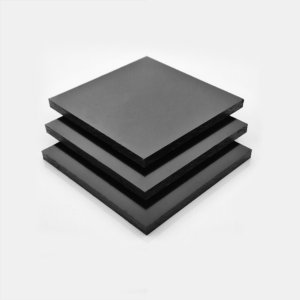
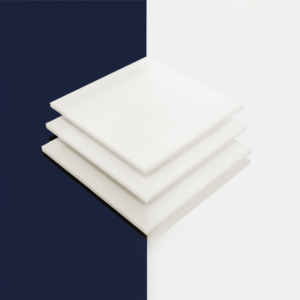
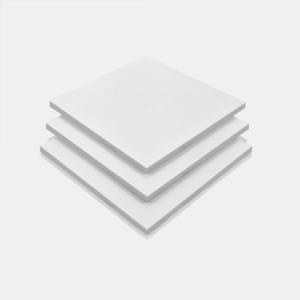
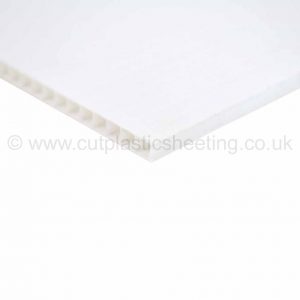
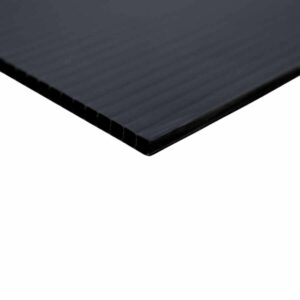
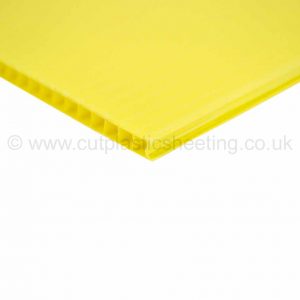
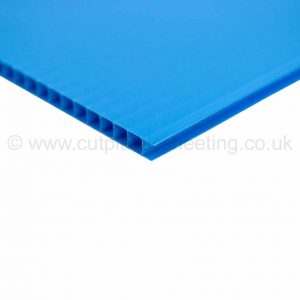
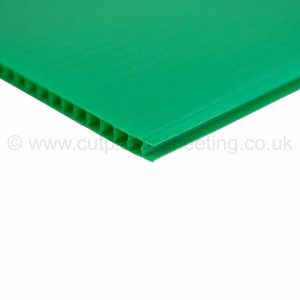
PP Plastic or Polypropylene sheets are highly durable and flexible materials that are widely known for their ability to resist impacts and corrosive chemicals. They are versatile plastic sheets that can be used in a variety of applications.
Commonly utilised in engineering and manufacturing, polypropylene is a popular plastic choice due to its exceptional resistance to acids and other chemicals. In addition to being highly durable, it is also a cost-effective option. These sheets can withstand high levels of impact and have a low tendency to absorb water, making them suitable for a wide range of applications.
Polypropylene uses also include: packaging, automotive parts, reusable containers, medical applications, laboratory equipment, and plastic sheets.
Cut Plastic Sheeting are leading polypropylene sheet supplier that can supply polypropylene in 1mm to 12mm thicknesses, cut to your size requirements.
Polypropylene is a versatile plastic that is often used in the manufacturing of products such as food containers, packaging materials, and building insulation. It is also commonly used to make bottles and other containers for liquids.
Some of the advantages of Polypropylene include its strong resistance to scratches, drips, and gas emissions. Additionally, it can be easily printed or coloured without suffering from distortion or fading. This makes it a good choice when you need high-quality labelling or graphics on your product. Furthermore, Polypropylene Sheet does not release compounds that may cause environmental damage.
While Polypropylene Sheets offer numerous advantages, there are also a few potential drawbacks to consider. For example, they can be vulnerable to UV degradation, meaning that prolonged exposure to sunlight can cause them to become brittle and crack over time. Additionally, while they are resistant to many chemicals, they may not be suitable for use with certain types of solvents or other corrosive materials. Finally, while they are generally strong and impact-resistant, they may not be the best choice for applications where high-temperature resistance is required. It’s important to carefully consider the specific requirements of your project and the potential limitations of Polypropylene Sheets before making a decision about whether or not they are the right material for your needs.
Polypropylene (PP) is one of the most widely used thermoplastics, valued for its balance of strength, flexibility, and chemical resistance.
Key Properties:
Yes — polypropylene (PP) is considered safe. It is a non-toxic, BPA-free plastic that does not leach harmful chemicals under normal conditions. Because of its high heat resistance, polypropylene is often used in food containers, packaging, medical supplies, and baby products.
Shop our range of products, all cut to size and your specification or contact us via the website, email or phone.