
INSTANT
cut to size prices
cut to size prices
on all mainland UK orders
customer service
Click to find out more
The choice of material plays a key role in the performance and appearance of printed signage and decorative wall panels. Alongside the design itself, the substrate directly influences print quality, durability, and overall finish.
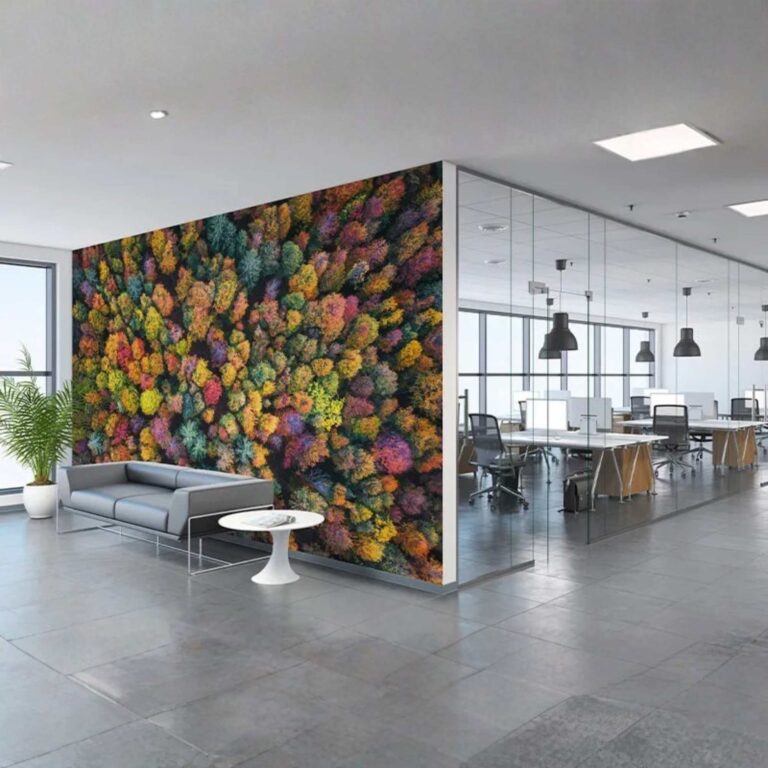
Applications for printed signage and decorative panels span both commercial and domestic use. In business environments, materials are commonly used for retail displays, office branding, exhibition graphics, and public-facing signage. At home, the same materials are widely used for decorative wall panels, feature walls, and custom interior design projects.
This guide outlines the most suitable materials for printing, including PVC (Foamex), aluminium composite (Dibond), acrylic, and others, to support informed material selection.
Several factors determine how well a material performs as a print surface:
✔ Surface smoothness is essential for achieving sharp, high-resolution results. Smooth, even surfaces allow for clean detail and consistent colour reproduction, making them suitable for graphics, text, and intricate designs.
✔ Durability affects how well the printed image maintains its appearance over time. Rigid, stable materials are less prone to warping or damage, helping to preserve print integrity in both short- and long-term applications.
✔ Weight influences handling and installation. Lightweight materials are typically easier to mount and are well suited to wall-mounted panels, while heavier, more rigid materials may be preferred for permanent or structural signage.
✔ Weather resistance is critical for outdoor use. Materials that withstand UV exposure, moisture, and temperature variation help prevent fading, peeling, and surface degradation.
✔ Finish impacts the final visual result. Gloss surfaces enhance colour depth and vibrancy, while matte finishes reduce glare and improve readability in well-lit environments.
Several factors determine how well a material performs as a print surface:
✔ Surface smoothness is essential for achieving sharp, high-resolution results. Smooth, even surfaces allow for clean detail and consistent colour reproduction, making them suitable for graphics, text, and intricate designs.
✔ Durability affects how well the printed image maintains its appearance over time. Rigid, stable materials are less prone to warping or damage, helping to preserve print integrity in both short- and long-term applications.
✔ Weight influences handling and installation. Lightweight materials are typically easier to mount and are well suited to wall-mounted panels, while heavier, more rigid materials may be preferred for permanent or structural signage.
✔ Weather resistance is critical for outdoor use. Materials that withstand UV exposure, moisture, and temperature variation help prevent fading, peeling, and surface degradation.
✔ Finish impacts the final visual result. Gloss surfaces enhance colour depth and vibrancy, while matte finishes reduce glare and improve readability in well-lit environments.
Selecting the appropriate material depends on the intended application, environment, and desired finish. The following sections outline the most commonly used materials for printed signage and decorative panels, along with their key characteristics and typical uses.
PVC (often known as Foamex) is one of the most popular materials for printed signage, thanks to its smooth surface and excellent print compatibility.

For the best print results, white PVC is strongly recommended. It provides a neutral base that allows colours to appear bright, sharp, and true to the original design, making it ideal for detailed graphics, text, and imagery.
While it is possible to print on coloured PVC sheets, the background colour can influence the final result. Prints may appear less vibrant, and lighter colours can lose visibility, particularly on darker boards.
In some cases, a white ink underlayer can be used to improve print clarity on coloured PVC. However, this is a more specialised process and may not achieve the same consistent, high-quality finish as printing directly onto white material.
Aluminium composite sheets, commonly known as Dibond, are a popular choice for high-quality printed signage. They are made from a solid core bonded between two aluminium layers, creating a rigid and durable panel with a smooth surface ideal for printing.
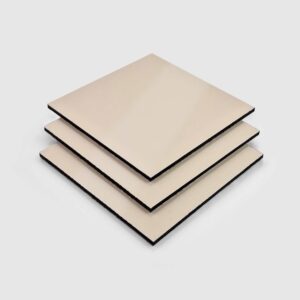
For the best results, white-coated Dibond is recommended. It provides a clean, even surface that allows colours to appear clear, vibrant, and true to your design.
Dibond is also available in finishes such as brushed aluminium. These can still be printed on, but the metallic background will show through the design, which can slightly alter colours and give a more muted or industrial look.
This can work well for certain styles, but for most signage and display purposes, white Dibond offers the most consistent and reliable finish.
Acrylic, often known as Perspex®, is a popular choice for decorative panels and signage where a sleek, high-end look is required. Its smooth, high-gloss surface enhances colour and depth, making printed designs stand out.
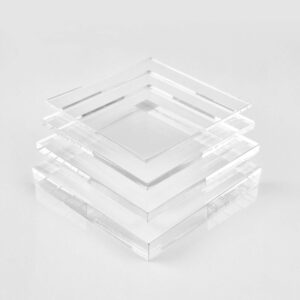
Acrylic offers a naturally clear, glossy surface that produces bold, vibrant prints with excellent visual impact. It’s particularly effective for designs where colour and finish are important.
For most applications, printing is done onto clear acrylic with a white backing applied. This helps colours appear solid and ensures the design stands out clearly.
Acrylic can also be used without a full white backing if a more transparent or layered effect is desired, allowing light or background elements to show through parts of the design.
For a clean, professional result, a gloss acrylic finish is ideal for high-impact displays and decorative panels.
Polycarbonate is an extremely strong and durable plastic material designed for applications where impact resistance is important. It offers a smooth surface suitable for printing while maintaining excellent strength and flexibility.

Polycarbonate provides a reliable surface for printed graphics, making it suitable for signage that needs to withstand more demanding conditions.
For best results, printing is typically done onto a white or prepared surface to ensure colours appear clear and consistent. This helps maintain good visibility and print quality across a wide range of designs.
Because of its strength and resilience, polycarbonate is often chosen for signage that needs to perform well in high-traffic or more challenging environments.
PETG is a strong, transparent plastic material that offers a good balance of clarity, durability, and flexibility. It’s often used for printed panels where a clear or semi-transparent finish is needed alongside reliable impact resistance.
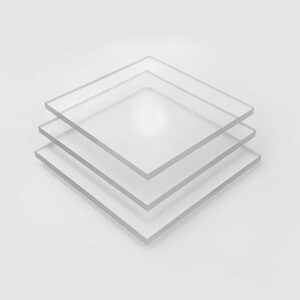
PETG provides a clean, consistent surface that works well for printed graphics. It can be used for both solid and transparent designs depending on the required finish.
For most applications, a white backing is used behind the print to ensure colours appear strong and clearly visible. This helps maintain good contrast and readability, especially for detailed designs.
PETG is also a good option when a slightly flexible, durable sheet is needed without losing clarity or print quality.
Matte
Lightweight, cost-effective, easy to install
Retail interiors, office walls, bathroom wall panels (outside wet zones), exhibition displays, domestic feature walls
Matte
Lightweight, cost-effective, easy to install
Retail interiors, office walls, bathroom wall panels (outside wet zones), exhibition displays, domestic feature walls
Matte / Metallic
Highly durable, rigid, weather-resistant
Shopfront signage, building fascias, outdoor branding, commercial cladding, public buildings, wayfinding systems
Matte / Metallic
Highly durable, rigid, weather-resistant
Shopfront signage, building fascias, outdoor branding, commercial cladding, public buildings, wayfinding systems
Gloss
High-impact, vibrant, premium appearance
Feature walls, reception areas, hospitality interiors, bathroom feature panels, branded office signage
Gloss
High-impact, vibrant, premium appearance
Feature walls, reception areas, hospitality interiors, bathroom feature panels, branded office signage
Clear
Extremely strong and impact-resistant
Industrial environments, safety signage, healthcare areas, protective panels, public-facing installations
Clear
Extremely strong and impact-resistant
Industrial environments, safety signage, healthcare areas, protective panels, public-facing installations
Clear / Semi-clear
Versatile, durable, good clarity
Food preparation areas, healthcare screens, retail barriers, public counters, hygiene partitions
Clear / Semi-clear
Versatile, durable, good clarity
Food preparation areas, healthcare screens, retail barriers, public counters, hygiene partitions
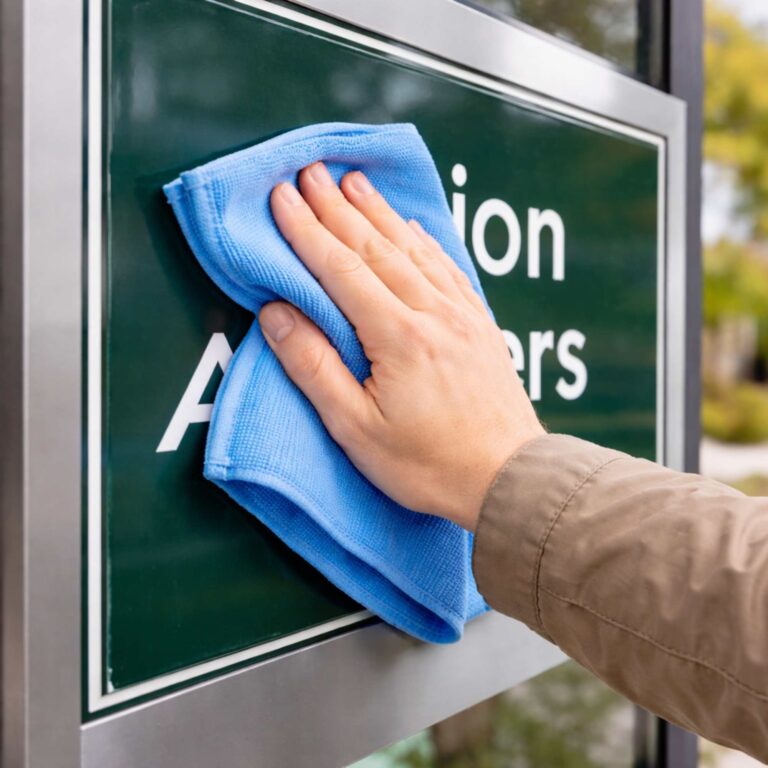
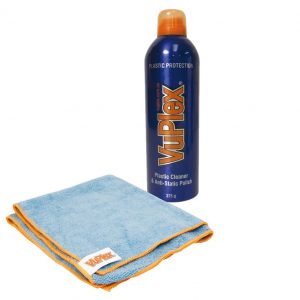
To keep printed panels looking fresh, clean them regularly using a soft microfibre cloth and mild, non-abrasive cleaner. Avoid harsh chemicals, as these can damage the printed surface or cause fading.
For outdoor signage, occasional cleaning will help remove dirt, pollution, and debris that can dull the appearance of the print over time.
Try to avoid using abrasive materials or rough sponges, as these may scratch the surface or affect the print finish—particularly on gloss materials like acrylic.
If panels are installed in high-traffic areas, periodic checks can help ensure fixings remain secure and the material hasn’t shifted or warped.
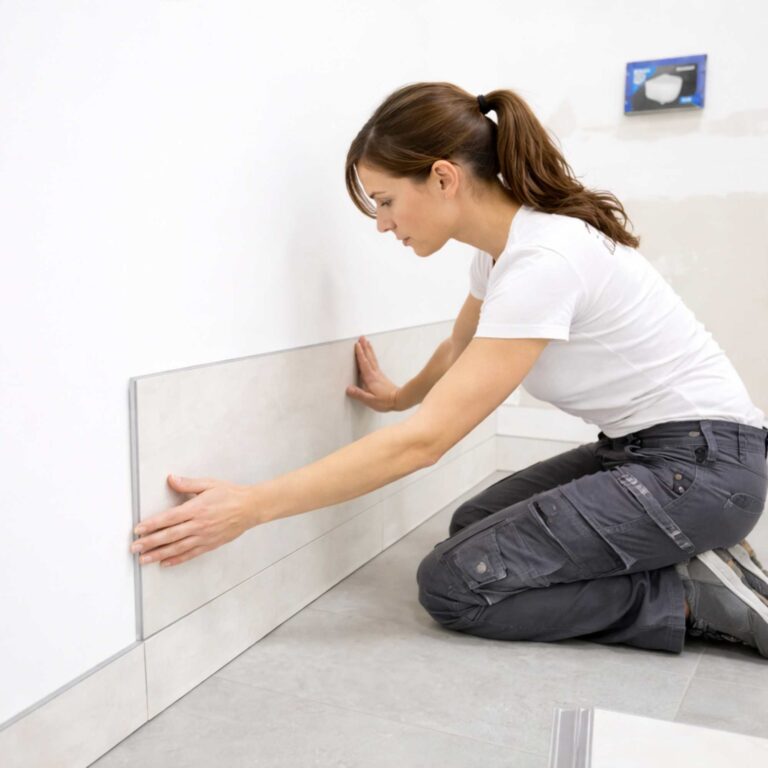
For the best results, always ensure the mounting surface is clean, dry, and level before installation. Any dust, grease, or unevenness can affect how well the panel adheres or sits against the wall.
When installing lightweight materials such as PVC, adhesives or double-sided tapes are often sufficient. For heavier materials like aluminium composite or acrylic, mechanical fixings such as screws or standoffs provide a more secure and professional finish.
It’s also important to allow for expansion and contraction, particularly with plastic materials. Leaving small gaps or using flexible fixings can help prevent warping over time, especially in environments with temperature changes.
For larger panels, consider a two-person installation to ensure accurate positioning and to avoid damaging the printed surface during handling.
For the best results, always ensure the mounting surface is clean, dry, and level before installation. Any dust, grease, or unevenness can affect how well the panel adheres or sits against the wall.
When installing lightweight materials such as PVC, adhesives or double-sided tapes are often sufficient. For heavier materials like aluminium composite or acrylic, mechanical fixings such as screws or standoffs provide a more secure and professional finish.
It’s also important to allow for expansion and contraction, particularly with plastic materials. Leaving small gaps or using flexible fixings can help prevent warping over time, especially in environments with temperature changes.
For larger panels, consider a two-person installation to ensure accurate positioning and to avoid damaging the printed surface during handling.
Explore our range of materials suitable for high-quality printing, available in a variety of finishes and thicknesses.



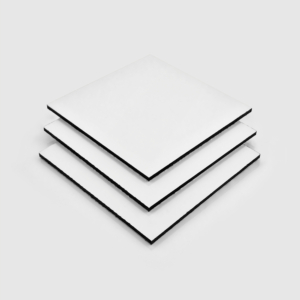
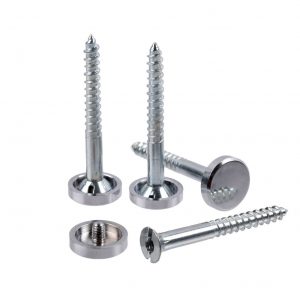
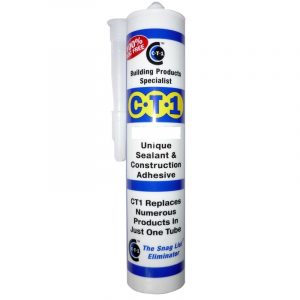
Fixing and installation accessories are required to securely mount printed panels and maintain durability, weather resistance and a professional finish. Browse our range of fixing and installation products below.
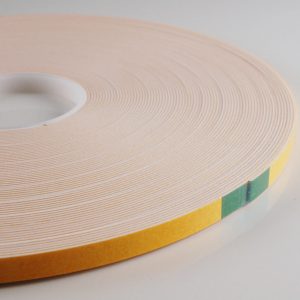
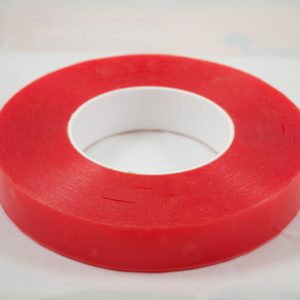
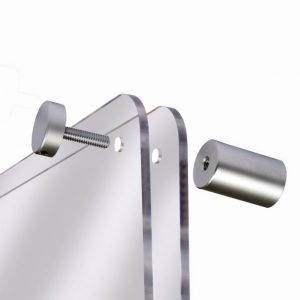
If you are sourcing imagery for your design, ensure that all images are suitable for commercial use and are not subject to copyright restrictions.
Images can be obtained from:
All images must be high resolution (150–300 DPI) and suitable for print to ensure a clear, high-quality result. It is your responsibility to ensure that all artwork and imagery supplied is licensed for use.
Artwork should be supplied in a print-ready format to ensure the best possible print quality.
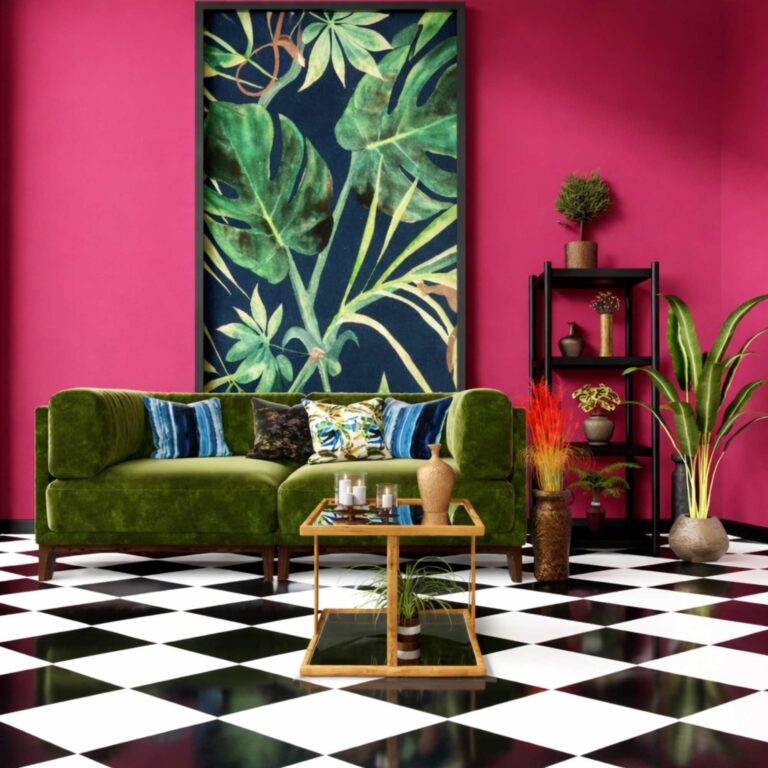
Maximum sheet size for a printed panel: 2m x 2.5m.
Accepted file types:
Vector files (preferred): PDF / .EPS / .AI
Raster files: JPG / PNG / PSD
All artwork must be supplied in a ready-to-use format, including the exact layout, colours and positioning required for printing. Fonts must be outlined and all images embedded before submission.
Files must be supplied in CMYK colour mode rather than RGB.
If you are unsure whether your artwork is suitable, please email it to [email protected] and our design team will advise.
A print-ready proof will be provided for approval before production. This will show the final sheet size and artwork layout. Orders are manufactured exactly as approved on the proof.
For more information and FAQs on our digital printing services, click here.
A: The best material depends on the application, but aluminium composite (Dibond), expanded PVC, and acrylic are the most commonly used. PVC is ideal for lightweight indoor signage, Dibond is best for durable outdoor use, and acrylic offers a premium high-gloss finish for decorative displays.
A: For indoor decorative panels, acrylic and expanded PVC are the most popular choices. Acrylic provides a high-gloss, premium finish, while PVC is lightweight, cost-effective, and easy to install.
A: Most signage materials can be printed in full colour using modern UV printing technology. However, the final appearance depends on the surface—smooth white materials generally produce the most vibrant and accurate colour results.
A: Aluminium composite (Dibond) is one of the most durable options for outdoor signage. It is weather-resistant, rigid, and long-lasting, making it ideal for shop fascias, external branding, and permanent displays.
A: Yes. Rigid, weather-resistant materials like Dibond and acrylic help protect the printed surface, ensuring the design lasts longer without fading, warping, or damage.
A: Yes. The material surface has a direct impact on print appearance. Smooth, white surfaces produce the most accurate and vibrant results, while textured or metallic finishes can slightly alter colours or create special visual effects.
A: Acrylic and white aluminium composite (Dibond) typically produce the most vibrant results due to their smooth, stable surfaces and light base. These materials help maintain colour accuracy and enhance contrast in printed designs.
A: Yes. Materials such as PVC, acrylic, and aluminium composite are commonly used for wall-mounted printed panels in offices, retail spaces, and interior design projects.
A: Printed panels should be cleaned using a soft, non-abrasive cloth and a mild soap or detergent mixed with warm water. Avoid harsh chemicals, solvents, or abrasive cleaning materials, as these can damage the printed surface or reduce print quality over time. For outdoor panels, regular gentle cleaning helps maintain colour vibrancy and removes dirt, dust, and environmental build-up.
A: The maximum panel you can order with digital print is 2m x 2.5m.
A: Yes you can but you can not purchase these through the website. Only white substrates are available to purchase through the web. Please get in touch with our sales team for a quotation and more information.
A: This can all be done online. First you need to choose your material, shape, size and if you want any extras. Then you will be able to choose whether you want to add digital print, just simply click yes and upload your image.
If you do require an alterative material colour this will have to be quoted for – please get in touch with our sales team for more information.
A: At Cut Plastic Sheeting, materials can be cut to your exact size and supplied with your chosen design, providing a ready-to-install solution tailored to your requirements. This makes it easy to produce custom printed panels for a wide range of applications.
Common uses for printed materials include:
Up to 20% Off orders £500+ with custom quotes Dismiss
Contact us to get up to 20% Off orders £500+